
Essential Startup Graphic Design Services for Growing Your Business
Starting a new business is exciting, but it also comes with many challenges. One of the most important steps you can take early on is to invest in quality graphic design. Good design helps your brand stand out, communicates your values clearly, and builds trust with your customers. In this post, I’ll share practical insights on essential graphic design for startups, focusing on how to create a strong visual identity that supports your growth.
Why Startup Graphic Design Services Matter
When you launch a startup, every detail counts. Your logo, website, social media graphics, and marketing materials all contribute to the first impression people have of your business. Startup graphic design services help you craft a cohesive look that reflects your brand personality and appeals to your target audience.
Think of graphic design as the visual language of your business. It tells your story without words and makes your brand memorable. For example, a clean, modern logo paired with consistent colours and fonts can make your business appear professional and trustworthy. On the other hand, inconsistent or amateurish design can confuse potential customers or make your brand seem unreliable.
Here are some key benefits of investing in startup graphic design services:
Builds brand recognition: Consistent visuals help customers remember you.
Communicates professionalism: Well-designed materials show you care about quality.
Enhances marketing efforts: Attractive graphics increase engagement and conversions.
Saves time and money: Professional design avoids costly mistakes and rebranding later.

Core Elements of Essential Graphic Design for Startups
To get started, focus on these core design elements that every startup needs:
1. Logo Design
Your logo is the face of your brand. It should be simple, versatile, and meaningful. A good logo works well in different sizes and formats, from business cards to billboards. When designing your logo, consider:
Your brand values and personality
Colours that evoke the right emotions
Fonts that are readable and match your style
Scalability and adaptability for various uses
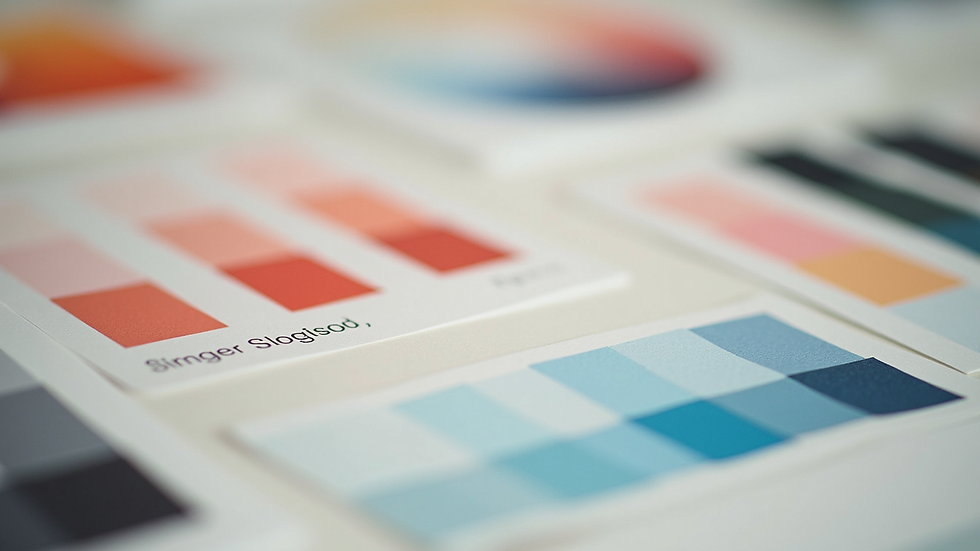
2. Colour Palette
Colours influence how people feel about your brand. Choose a palette that complements your logo and reflects your industry. For example, blue often conveys trust and professionalism, while green suggests growth and sustainability. Limit your palette to 3-5 colours to keep your branding consistent.
3. Typography
Fonts are more than just letters; they set the tone for your communication. Select 1-2 primary fonts for headings and body text. Make sure they are legible across devices and sizes. Avoid using too many different fonts, which can look chaotic.
4. Brand Style Guide
A style guide documents your logo usage, colours, fonts, and other design rules. It ensures consistency across all your marketing materials and platforms. This guide is especially useful if you work with multiple designers or agencies.
5. Marketing Materials
From business cards to social media posts, your marketing materials should follow your brand style. This consistency builds trust and makes your business look polished. Consider templates for flyers, email newsletters, and presentations.
6. Website Design
Your website is often the first place customers interact with your brand. A clean, user-friendly design with clear calls to action can boost conversions. Make sure your website reflects your brand colours, fonts, and logo.
By focusing on these elements, you create a strong foundation for your brand identity that supports your business goals.
Is $500 too much for a logo design?
One common question I hear is whether spending $500 on a logo is worth it. The answer depends on your business needs and budget, but here’s why investing in a quality logo can pay off:
Professionalism: A well-designed logo shows you take your business seriously.
Uniqueness: Custom logos avoid generic clipart and help you stand out.
Versatility: Designers provide multiple file formats for different uses.
Long-term value: A strong logo can last for years without needing a redesign.
If you try to cut costs by using free logo makers or templates, you might end up with a design that doesn’t truly represent your brand or looks unprofessional. This can hurt your credibility and require costly fixes later.
That said, $500 is a reasonable starting point for a professional logo design from a skilled designer or small agency. It’s an investment in your brand’s future. If your budget is tight, consider prioritising the logo first and gradually building out other design elements.
How to Choose the Right Startup Graphic Design Services
Finding the right design partner is crucial. Here are some tips to help you select the best fit:
1. Review Portfolios
Look for designers or agencies with experience working with startups or small businesses. Their portfolio should show a range of styles and strong attention to detail.
2. Understand Their Process
Ask about their design process, timelines, and how they handle revisions. A clear, collaborative process leads to better results.
3. Check Reviews and References
Client testimonials and reviews can give insight into reliability and communication.
4. Clarify Deliverables
Make sure you know what you will receive—logo files, style guides, templates, etc.—and in what formats.
5. Consider Local Expertise
Working with a designer familiar with your market can be a big advantage. They understand local trends and customer preferences.
6. Budget and Value
Balance cost with quality. The cheapest option may not deliver the best results, but the most expensive isn’t always necessary.
By taking these steps, you can find a design partner who understands your vision and helps bring it to life.
Practical Tips for DIY Startup Graphic Design
If you’re on a tight budget or want to experiment before hiring a professional, here are some practical tips for DIY graphic design:
Use free or affordable design tools like Canva, Adobe Spark, or Figma.
Stick to simple layouts and avoid clutter.
Choose 2-3 colours and fonts and use them consistently.
Download free fonts from reputable sources like Google Fonts.
Keep your logo simple and avoid too many effects.
Use templates for social media posts and marketing materials.
Ask for feedback from friends or mentors before finalising designs.
While DIY design can work initially, remember that professional design often makes a big difference in how your brand is perceived. When you’re ready, consider investing in expert services to elevate your brand.
Building a Brand That Lasts
Graphic design is more than just aesthetics. It’s a strategic tool that helps you connect with customers and build a lasting brand. By focusing on essential design elements and working with the right professionals, you set your startup up for success.
If you want to explore the best graphic design for startups and how it can transform your business, take the time to research and plan your brand identity carefully. Your visual identity is the foundation of your marketing and customer experience.
Remember, your brand is your promise to your customers. Make it clear, consistent, and compelling.
I hope these insights help you on your journey to creating a strong, memorable brand. Good design is an investment that pays off in customer trust, recognition, and business growth. Dare to dream big and let your brand shine!


Comments